The Future of Digital Marketing: Emerging Trends to Watch


Introduction
The digital marketing landscape is continuously evolving, driven by technological advancements and changing consumer behaviors. As we look to the future, several emerging trends are set to reshape the way businesses connect with their audiences. Staying ahead of these trends can provide a competitive edge and open up new opportunities for growth.

Artificial Intelligence and Automation
Artificial Intelligence (AI) is becoming increasingly integral to digital marketing strategies. From chatbots that enhance customer service to AI-driven analytics that offer deeper insights into consumer behavior, the potential applications are vast. Companies are leveraging AI to personalize content, optimize ad targeting, and streamline marketing operations.
Chatbots and Customer Engagement
Chatbots are transforming customer engagement by providing instant responses and support 24/7. They are capable of handling a wide range of customer queries, freeing up human resources for more complex tasks. As AI technology advances, chatbots are expected to become even more sophisticated, offering personalized interactions that mimic human conversation.

Voice Search Optimization
With the rise of smart speakers and voice-activated devices, voice search is becoming a critical component of digital marketing. Businesses need to optimize their content to accommodate the nuances of voice search, which often involves more conversational language and longer queries.
Adapting SEO Strategies
Traditional SEO strategies are being adapted to fit the voice search paradigm. This includes focusing on natural language processing and targeting long-tail keywords. Marketers are also considering the context and intent behind voice searches to ensure their content effectively meets user needs.
Video Content Dominance
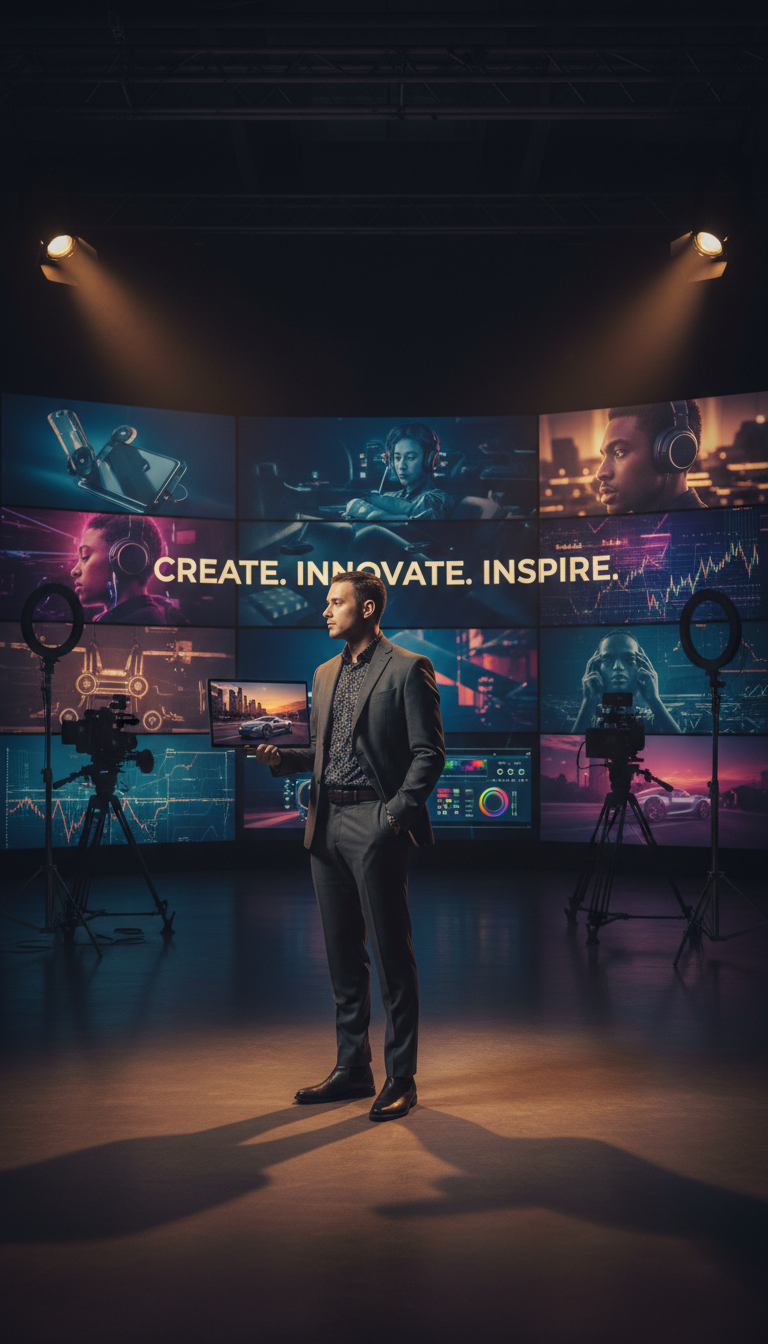
Video content continues to dominate digital marketing, with platforms like YouTube, TikTok, and Instagram leading the charge. Video offers a dynamic way to engage audiences, conveying complex information quickly and effectively. As internet speeds increase and mobile devices become more powerful, the demand for high-quality video content is expected to rise.
Live Streaming and Real-Time Engagement
Live streaming is gaining traction as a tool for real-time engagement. It provides an authentic way to connect with audiences, offering a glimpse into the human side of a brand. Whether it’s a product launch, Q&A session, or behind-the-scenes look, live streaming can create a sense of urgency and exclusivity.
Privacy-First Marketing
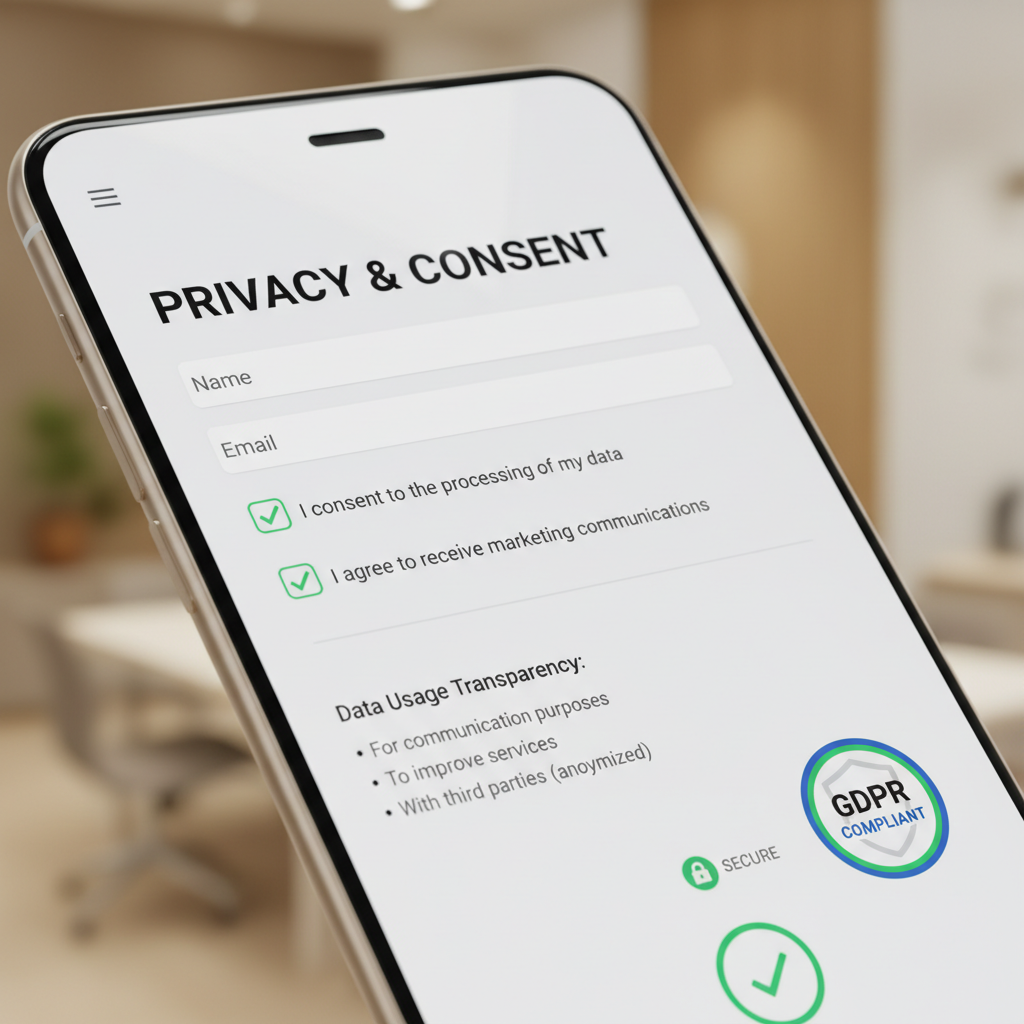
With increasing concerns over data privacy, marketers are prioritizing privacy-first strategies. The implementation of regulations like GDPR and CCPA has made transparency and data protection crucial components of digital marketing. Brands that prioritize consumer privacy are likely to build greater trust and loyalty.
Ethical Data Collection
Marketers are focusing on ethical data collection practices, ensuring that they obtain explicit consent from users before collecting data. This shift not only complies with legal requirements but also aligns with consumer expectations for privacy and transparency.
Conclusion
The future of digital marketing is full of exciting possibilities, driven by technological innovations and changing consumer preferences. By staying informed about these emerging trends, businesses can adapt their strategies to better meet the needs of their audiences and remain competitive in an ever-evolving landscape.